


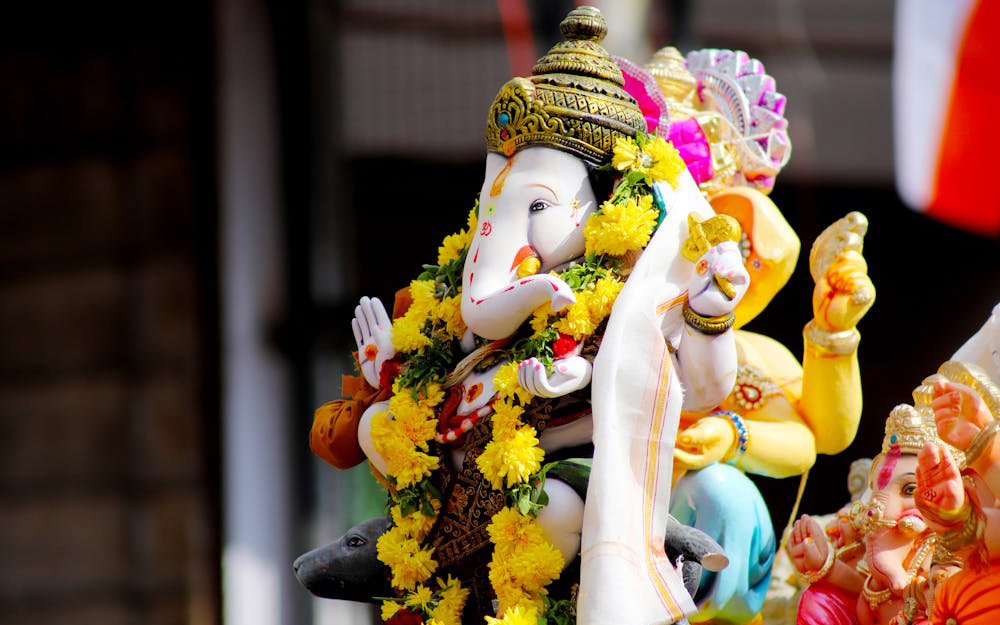
Spirituality in India is a profound concept that spans millennia, shaping daily life and the human connection to the divine. Rooted in traditions such as Hinduism, Buddhism, Jainism, and Sikhism, it seeks self-knowledge and inner transformation.
Today, we’ll explore spiritual paths in India, highlighting practices like meditation, yoga, and religious rituals that aim to harmonize body and mind. We’ll also uncover the essential role of spiritual masters, known as gurus, in the journey of self-discovery and transcendence.
You’ll also get to know the Game of Maha Lilah, a powerful self-discovery tool, and learn how to book a personalized session with me.

The foundation of spirituality in India
Spirituality in India is a deep and multifaceted concept that permeates daily life and intertwines with the various religions and philosophies practiced in the country.
For Indians, spirituality is not separate from material life, but is present in every aspect of existence. It is the quest to understand the purpose of life, one’s relationship with the divine, and the role of each individual in the vast cosmos.
In India, spirituality encompasses a wide range of practices and beliefs, with Hinduism, Buddhism, Jainism, and Sikhism being some of the most influential. Each of these traditions offers a unique view of spiritual life, but all share a common quest for universal truth and self-realization.
For many, spirituality is linked to the idea of moksha, or spiritual liberation, the release from the cycle of birth and death, achieved through the practice of dharma (the righteous path) and self-awareness.
The concept of karma, the idea that our actions determine our destiny, is also central to Indian spirituality. It suggests that through virtuous conduct, we can move closer to a higher state of consciousness and union with the divine.
In many Indian traditions, spiritual practice involves meditation, yoga, and rituals, which serve to purify the mind and body and pave the way for realization of the true self, the Atman, which connects to Brahman, the universal divine essence.
Spirituality in India is also deeply intertwined with philosophy. Indian philosophical schools like Vedanta, Yoga, and Samkhya are not just systems of thought but also guides for spiritual living.
All of this shows how religion and philosophy merge in the Indian context, forming a solid foundation for the pursuit of self-knowledge and transcendence.

The most common spiritual practices in India
In India, spirituality is expressed through various practices aimed at purifying the mind, body, and soul, as well as seeking union with the divine. Below are some of the most common practices:
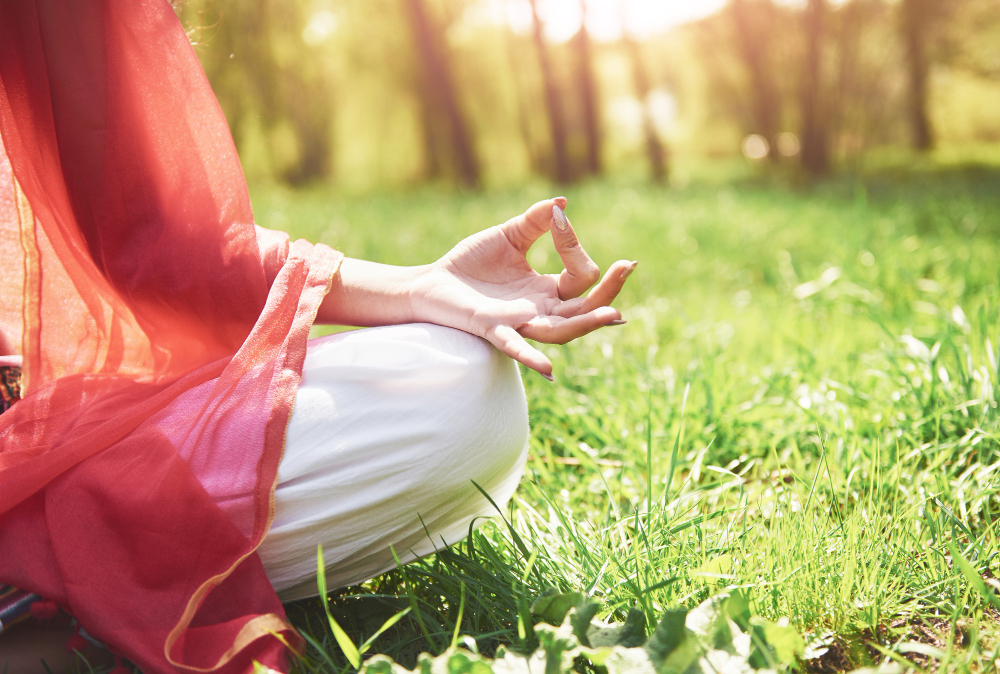
- Meditation: one of the most fundamental practices in Indian spirituality. Meditation aims to calm the mind, reach a state of inner peace, and facilitate connection with the divine. Transcendental meditation, widely practiced in India, seeks to bring the practitioner into a deep experience of self-awareness and spiritual enlightenment;
- Yoga: Yoga goes beyond physical exercise; it is a philosophy and a spiritual path. Through physical postures (asanas), breath control (pranayama), and meditation, yoga aims to harmonize body, mind, and spirit, leading to expanded consciousness. Many people in India, whether for spiritual or health reasons, practice yoga as a way to achieve balance and peace;
- Religious rituals: rituals are part of daily spiritual life in India. They vary by religion and region but often involve offerings, chanting, and prayers. Indian temples are vibrant places of worship and devotion, where devotees gather to celebrate religious festivals and seek blessings from the divine;
- The search for union with the divine: in various Indian spiritual traditions, such as Hinduism, the ultimate goal is union with Brahman, the universal divine essence. This is achieved through devotional practice, deep meditation, and detachment from worldly illusions;
- Influence on daily life: spirituality permeates all aspects of Indian life. From dietary choices, such as vegetarianism, to time set aside for prayer, spiritual practices are intertwined with work, education, and even personal relationships. Spirituality is not seen as something separate from daily life but as a guide to a fuller, more meaningful existence.
The role of gurus, the spiritual masters, in Indian spirituality
In India, spiritual masters, known as gurus, are essential in guiding disciples along their spiritual journeys.
They are seen as guides and sources of wisdom, helping individuals connect with the divine and find true inner peace.
How masters guide the spiritual journey
Gurus are regarded as enlightened beings, capable of guiding disciples toward self-realization. A guru’s guidance goes beyond intellectual teaching; it includes spiritual connection practices, rituals, and personal counseling.
In many cases, the guru transmits knowledge directly to the disciples, sharing both mystical and practical teachings for self-development. They also help disciples overcome spiritual obstacles such as doubt and ego to reach inner truth and wisdom.
The trust-based relationship between guru and disciple
In the Indian spiritual system, the relationship between guru and disciple is marked by deep trust and respect. The disciple surrenders to the guru, trusting that the guru possesses the wisdom needed to guide them on the path to enlightenment.
This relationship is seen as a form of direct transmission of spiritual energy and knowledge. The guru, in turn, takes on the responsibility of guiding the disciple with compassion, care, and discernment.
The bond formed between them is considered essential for spiritual progress.
Historical and contemporary examples of great spiritual masters
Throughout India’s history, many spiritual masters have left their mark with teachings that transcend religious boundaries.
Historical examples include Sri Ramakrishna, who had a deep influence on India’s spiritual revival in the 19th century, and Mahatma Gandhi, who integrated spirituality into his life philosophy.
In today’s context, figures like Sadhguru and Sri Sri Ravi Shankar continue to be role models for millions, teaching practices that promote inner peace, self-transformation, and divine connection.
Maha Lilah: a self-knowledge tool in Indian spirituality
The Game of Maha Leela is a spiritual practice deeply rooted in esoteric tradition and the pursuit of expanded consciousness in India.
The word Lilah can be translated as “divine play” or “cosmic dance,” referring to the way the universe unfolds fluidly and dynamically. When we add the prefix Maha, meaning “great” or “supreme,” the term becomes an expression of a divine game on a cosmic scale, representing the divine’s universal action in the processes of creation, destruction, and renewal.
Maha Lilah is closely tied to Indian spirituality, as it offers practitioners a profound perspective on the flow of life and their place within the cosmic process.
It is not just a self-discovery practice, but a way of seeing life from a new perspective, where each experience and movement is part of a grand cosmic dance. By engaging with this practice, individuals begin to perceive the interconnectedness of all things, realizing that their actions, thoughts, and emotions have a greater purpose.
This practice is a powerful tool for those seeking self-knowledge and spiritual growth. Through Maha Lilah, it is possible to explore the deepest layers of the mind and self, allowing for a clearer understanding of who we truly are and what our role in the universe is.
Over time, it helps dissolve ego limitations and fosters a sense of unity with the cosmos.
For those seeking personal evolution, the benefits of Maha Lilah are transformational. It helps overcome emotional and spiritual blocks, promoting greater inner harmony and a profound sense of peace. Additionally, it encourages practitioners to become more aware of their choices and actions, creating a life path more aligned with universal truth and higher purpose.
This practice offers a deep transformational experience, leading individuals to a new level of understanding and spiritual connection.
The benefits of Indian spirituality for physical and emotional well-being
Spirituality in India, with its ancient practices, has a profound and positive impact on individuals’ quality of life around the world. Since the 20th century especially, these Indian practices began spreading across the Western world, reaching more and more people and becoming deeply integrated into their lives.
Spiritual practices such as meditation, yoga, and the pursuit of divine connection promote not only inner peace but also support physical and emotional balance. Through meditation, for instance, people learn to control the mind, reducing stress and tension, which contributes to overall well-being.
Inner peace, achieved through various spiritual practices, is directly linked to physical and mental health.
When we can cultivate a state of serenity, our body also reflects that balance. The immune system strengthens, blood pressure stabilizes, and issues like insomnia or anxiety are reduced.
The mind-body connection, so central in Indian spiritual philosophies, shows how emotional care is essential to maintaining physical health.
Discover my personalized sessions to deepen your spiritual journey
If you’re looking for a way to integrate spiritual practices into your life in a deep and transformative way, I invite you to explore my personalized sessions.
Based on my experience and the various spiritual tools I use, such as the Radionic Board of the Sacred Flame, Tarot reading, and the Maha Lilah Game, I can help you explore your potential and expand your consciousness.
Together, we can work to bring more balance, self-awareness, and physical and emotional well-being into your spiritual journey. Get in touch with me today!
May the Light of Love be the guide of all paths, at all times, in all circumstances, with all the people. And may Love foster Peace!