


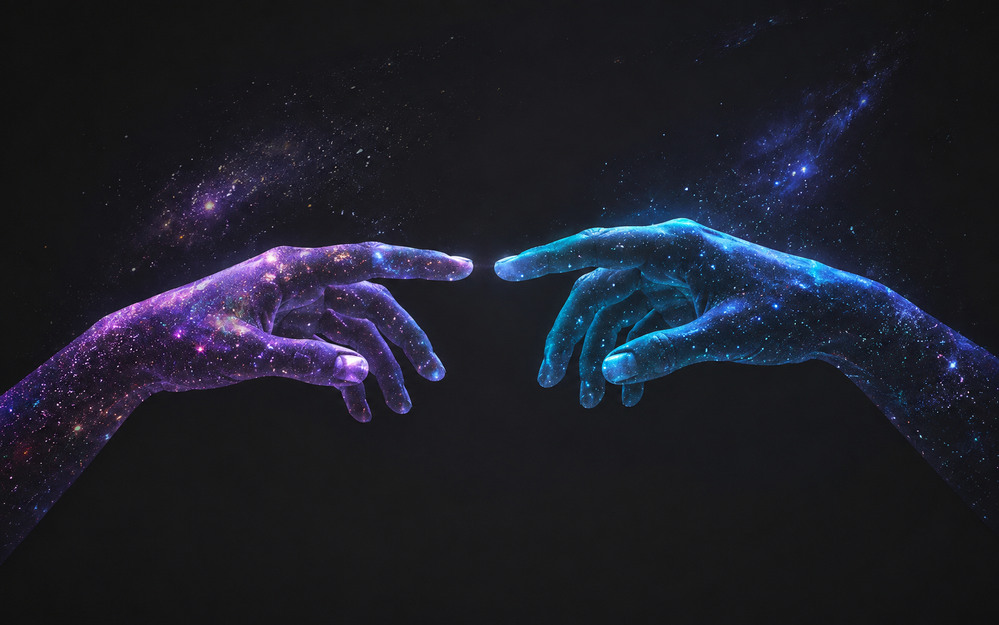
Como diferentes culturas explicam a origem do universo? Conheça cosmogonias de diversos povos e suas formas de compreender a criação.
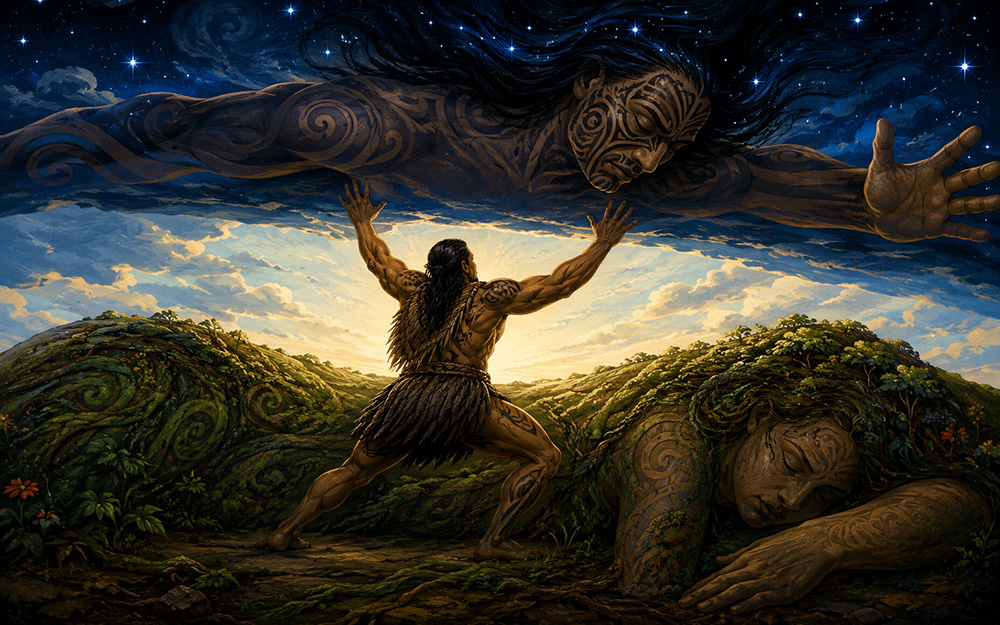
Understand Maori Cosmogony and the myth of the separation of Rangi and Papa, which gave rise to light, order, and cosmic kinship.
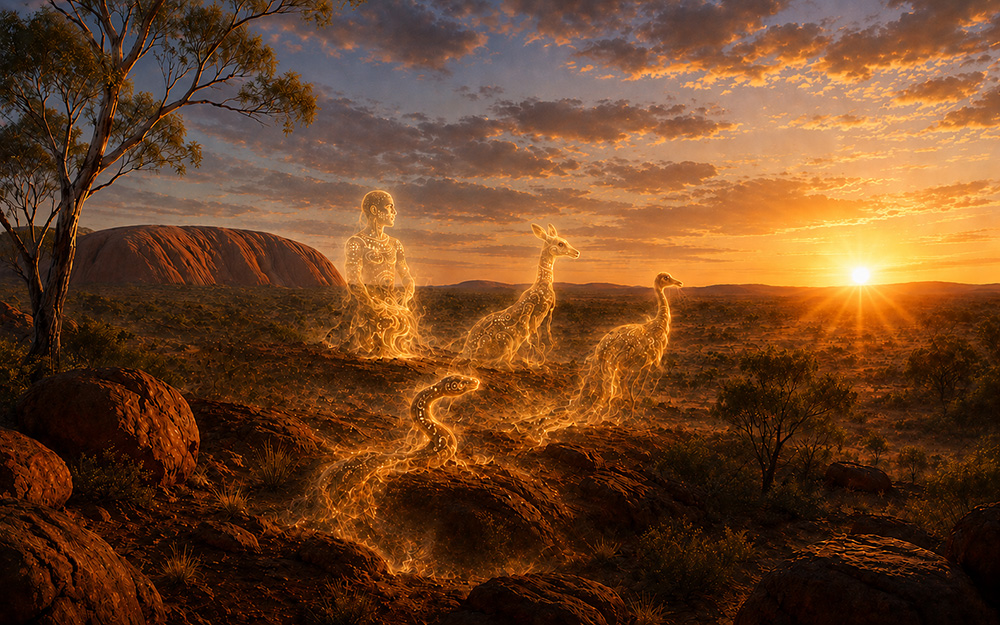
Australian Aboriginal Cosmogony preserves one of the oldest traditions among the myths about the origin of the universe. Learn more!
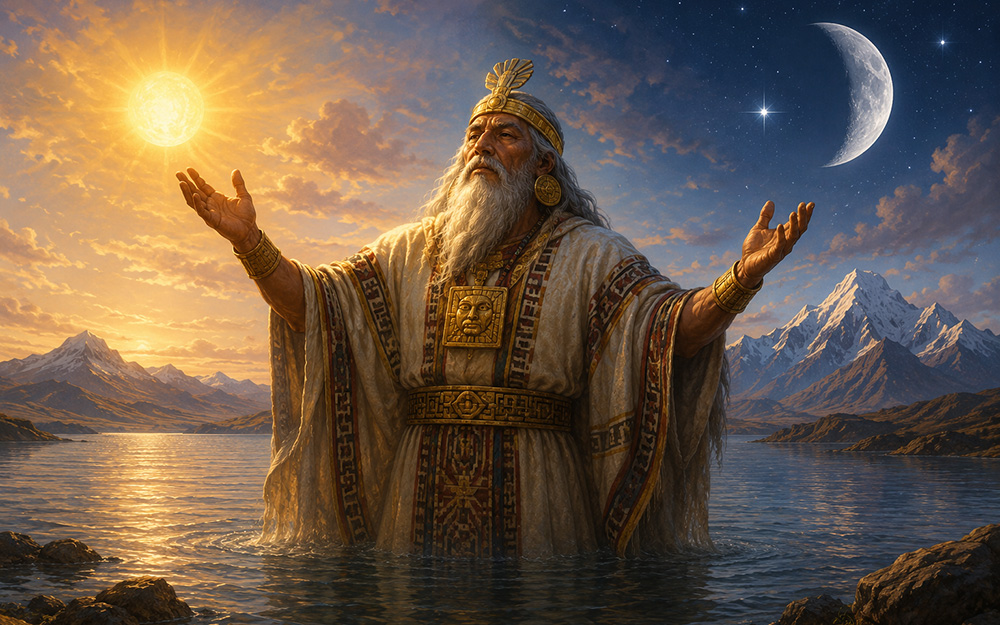
Discover Inca Cosmogony, a worldview that combines a primordial creation myth with a political narrative of dynastic foundation.
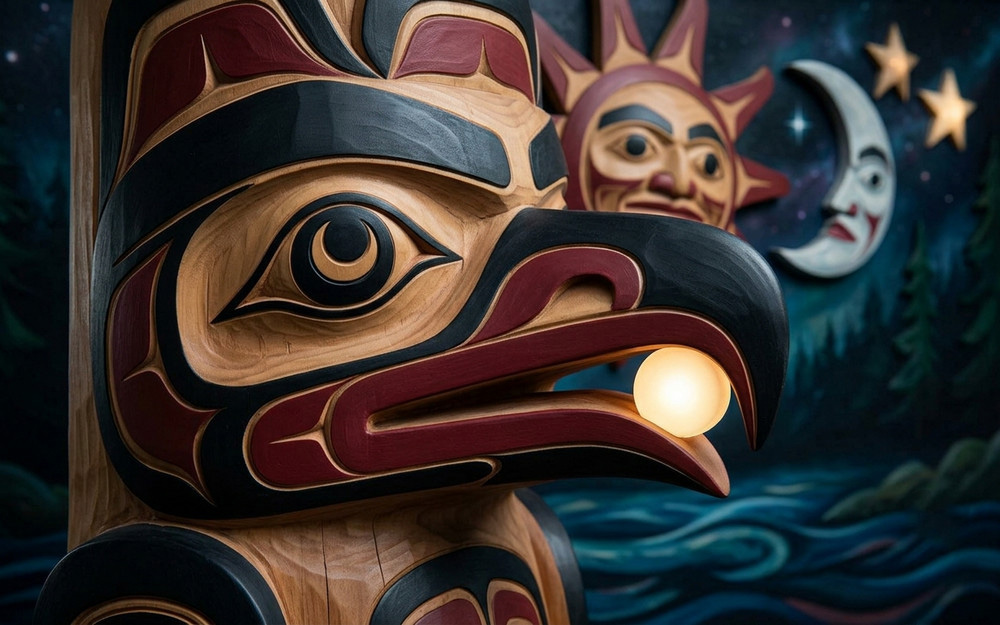
By exploring North American Cosmogonic patterns, we find an extraordinary diversity regarding myths of the origin of the universe.
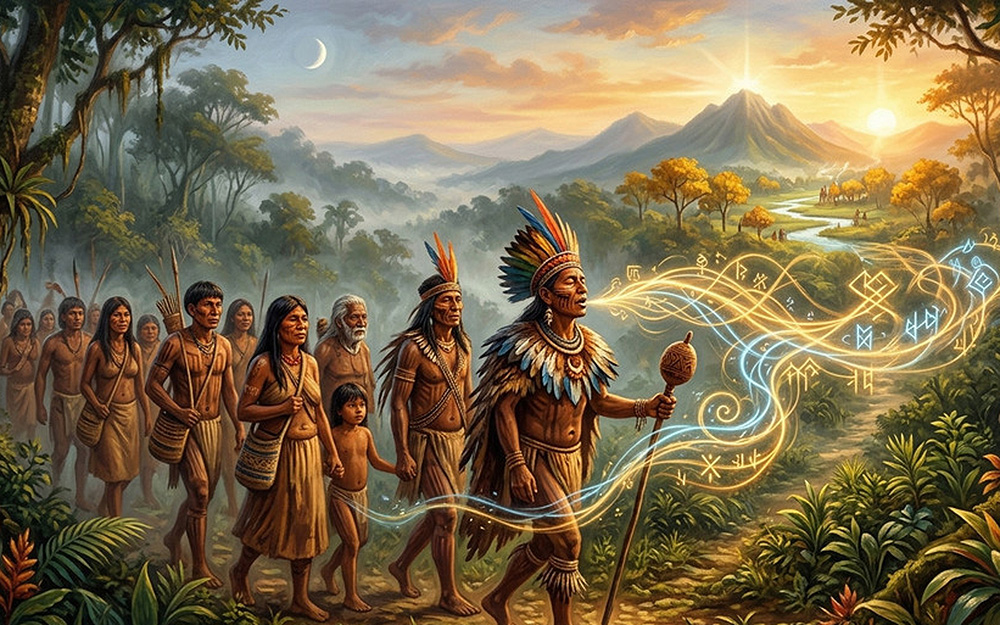
In Tupi-Guarani Cosmogony, the creation of the universe is a continuous process, a spiritual quest. Humanity is both exiled and pilgrim.
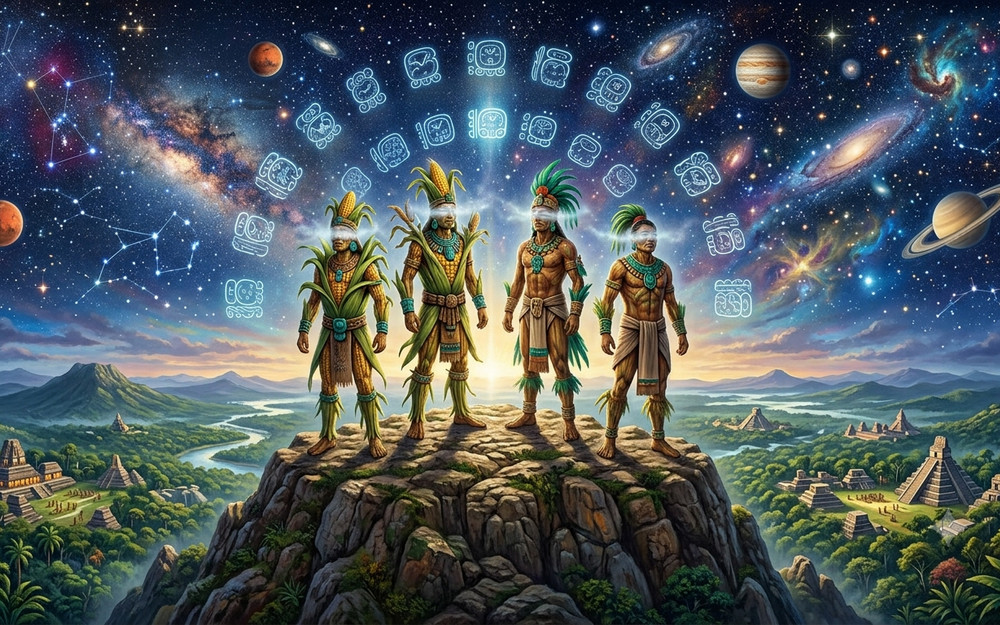
The Mayan Cosmogony narrates a fantastic story about the origin of the universe, where creation is a dialogue between the divine and the human.
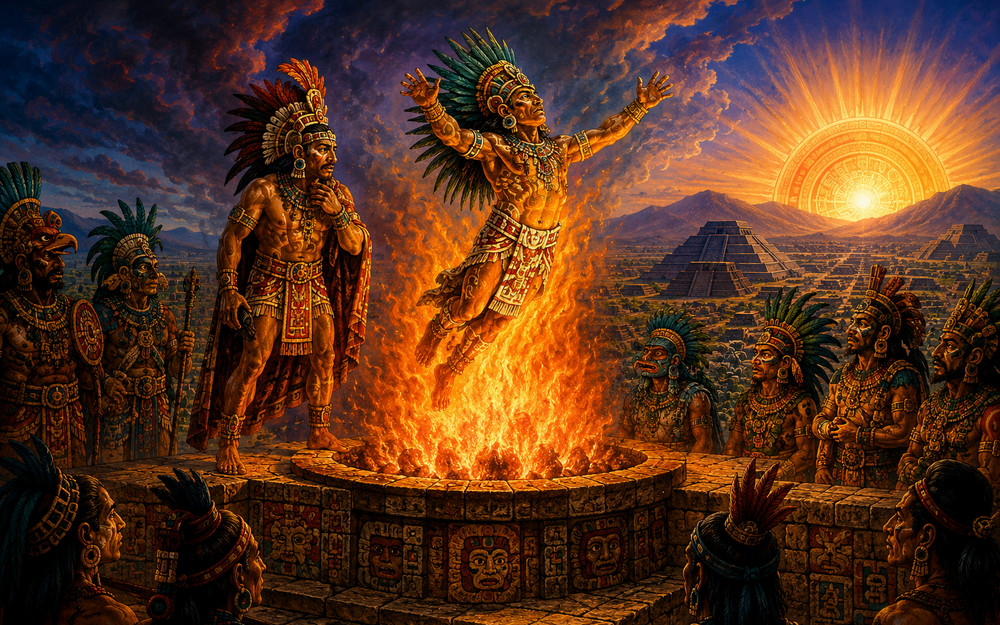
For the Aztecs, the universe depends on the most extreme divine sacrifice to continue existing. Learn more about Aztec Cosmogony.
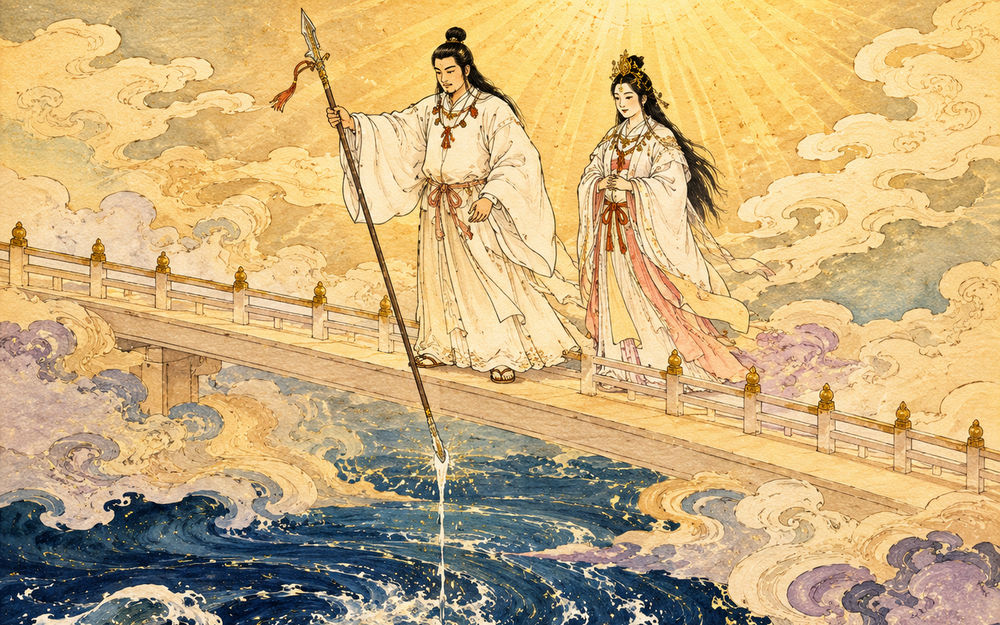
Shinto Cosmogony narrates the creation of the universe as a generational process carried out by deities who shape the earth, life, death, and nature.
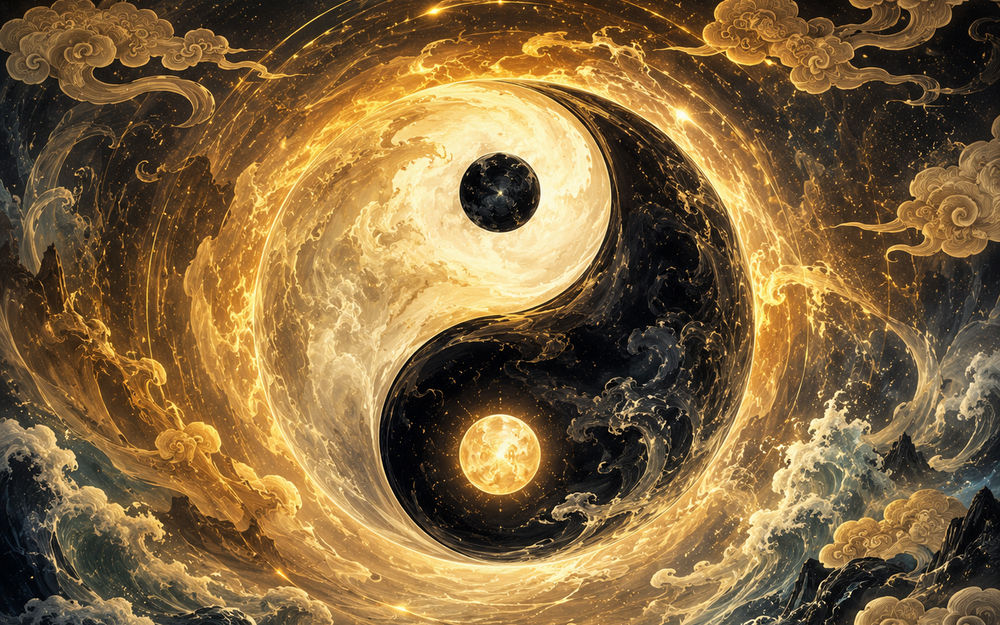
Chinese Cosmogony answers the question of the universe’s origin through principles of balance, transformation, and harmony.
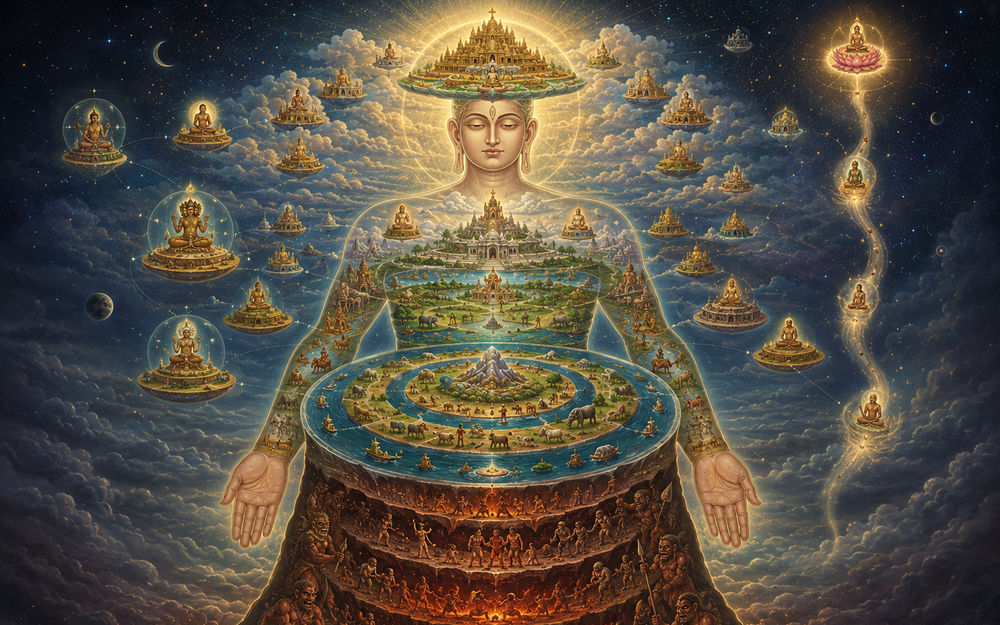
Jain Cosmogony offers an original vision of the structure of the universe, in which an eternal reality was not created by any god.
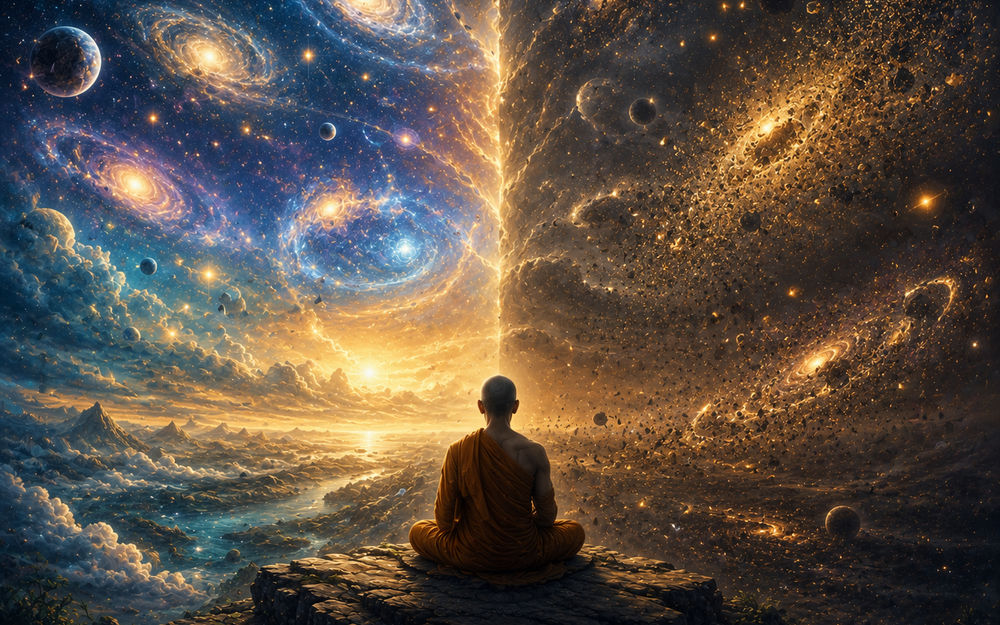
Buddhist Cosmogony shifts the focus from the question of the origin of the universe to the cause of suffering and the path to its cessation.